
A Lingering Voice
June 11, 2026. A visual fugue combining hypnopompic noise, AI, and 17th century alchemy.
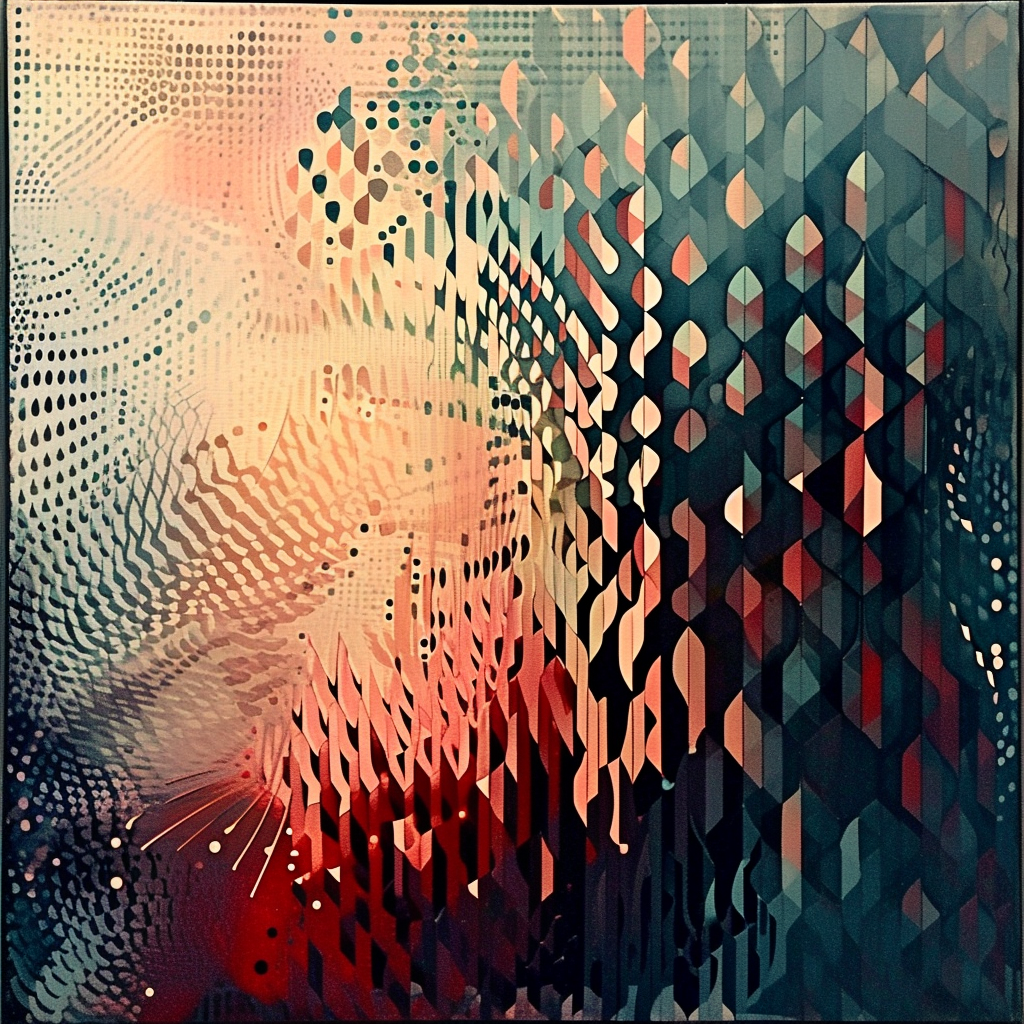
Emblem 1. The work is called forth from chaos.
Most nights, as I fall asleep, I see a sequence of images flicker before my eyes like a rotoscope. The images—from ten to fifty or more—are vivid, concrete, specific and often breathtakingly strange; I could paint them if I had the talent and cared to disrupt the process of becoming unconscious. Since neither condition obtains, I usually let them pass. Generative AI changed that policy. I decided to convert some of these hypnopompic visions into pictures using Midjourney. Any unintentional changes due to Midjourney’s limitations would be a kind of hallucination of the machine’s, and thus a conversation between my generative process (the hypnopompic clamour) and the noisy artificial process of stable diffusion.
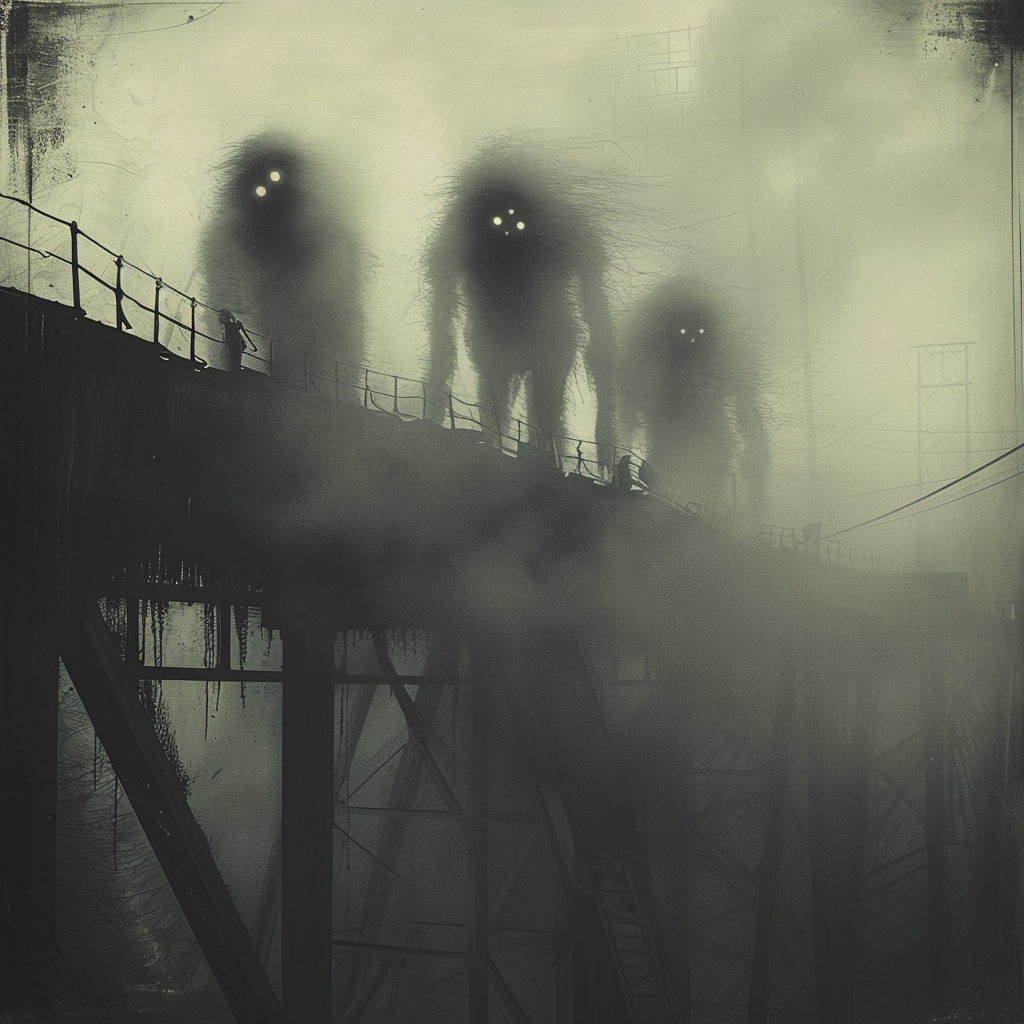
Emblem 46. Have you forgotten who walked here yesterday?
Around the same time, I stumbled onto the notion of emblem collections and through them, Michael Maier’s alchemical masterwork Atalanta Fugiens, which numbers fugues among its multimodal plenty. Maier’s book offered the perfect contrapuntal scaffolding for a collection themed around intertwined voices, and I began “transcribing” fifty visions into pictures and accompanying Latin text (with help from Claude and Mistral). This mirrors Maier’s structure. Why Atalanta? Maier’s opus concerns a footrace between the heroine Atalanta and her slow-moving suitor; the suitor wins the race (and Atalanta’s hand) by strewing golden apples in her path. The heroine, suitor, and apples all have a material alchemical analogue, but more interesting to me was the mechanics of appeal and hesitation.
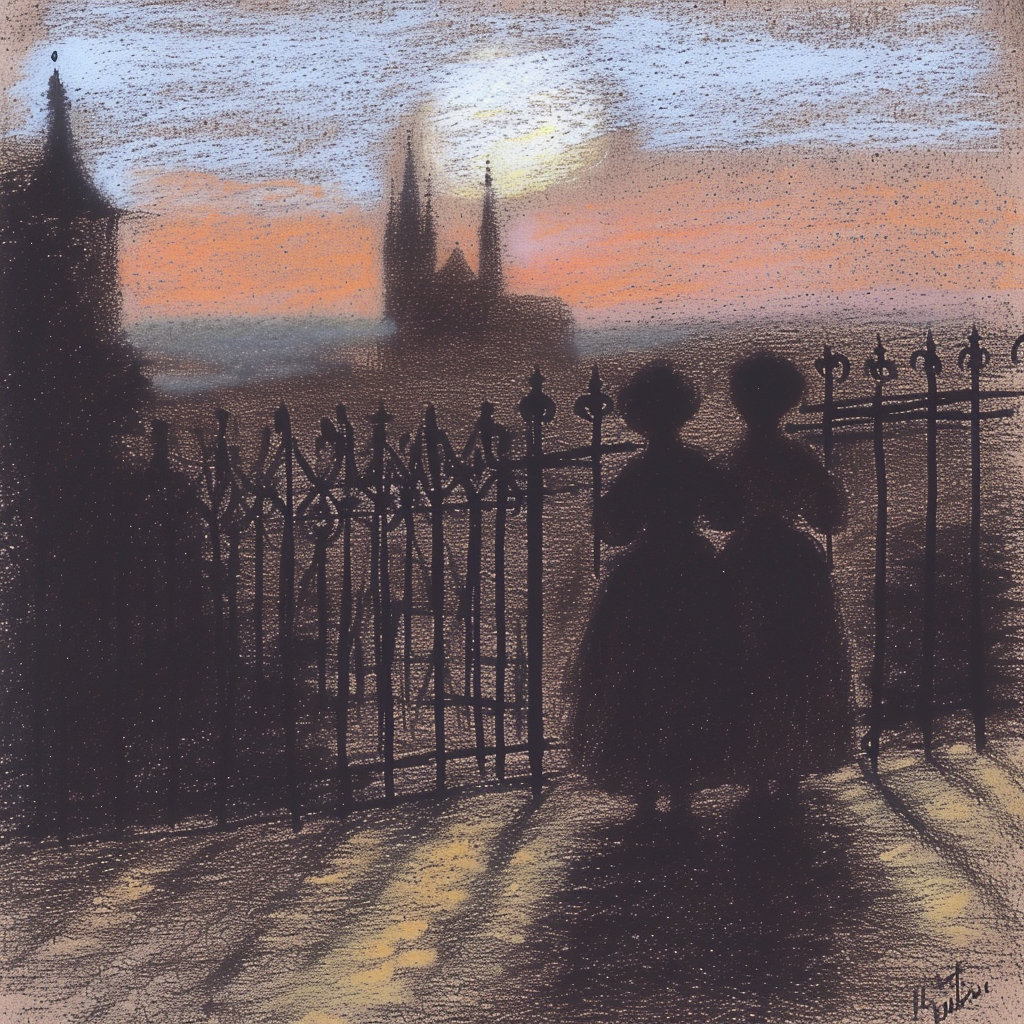
Emblem 21. The city is waiting to visit you.
As a metaphor for alchemy itself, these perhaps represent the Great Work, the pursuing adept, and the means by which the adept can cause the work to linger: the lingering voice or vox morans, a melodic line in Maier’s fugues. It struck me that the opus of AI—a literal embodiment of the homuncular promise of the Great Work—could also figure in this relationship of pursuit. Our machine creations have surpassed us, at least in certain dimensions of intelligence, and the need to linger them, to invite them to tarry, is more urgent than ever. What golden apples can we use? I argue that a collaborative withness, based on certain techniques of using AI and norms of helpfulness enforced by training, may offer a suitable vox morans.
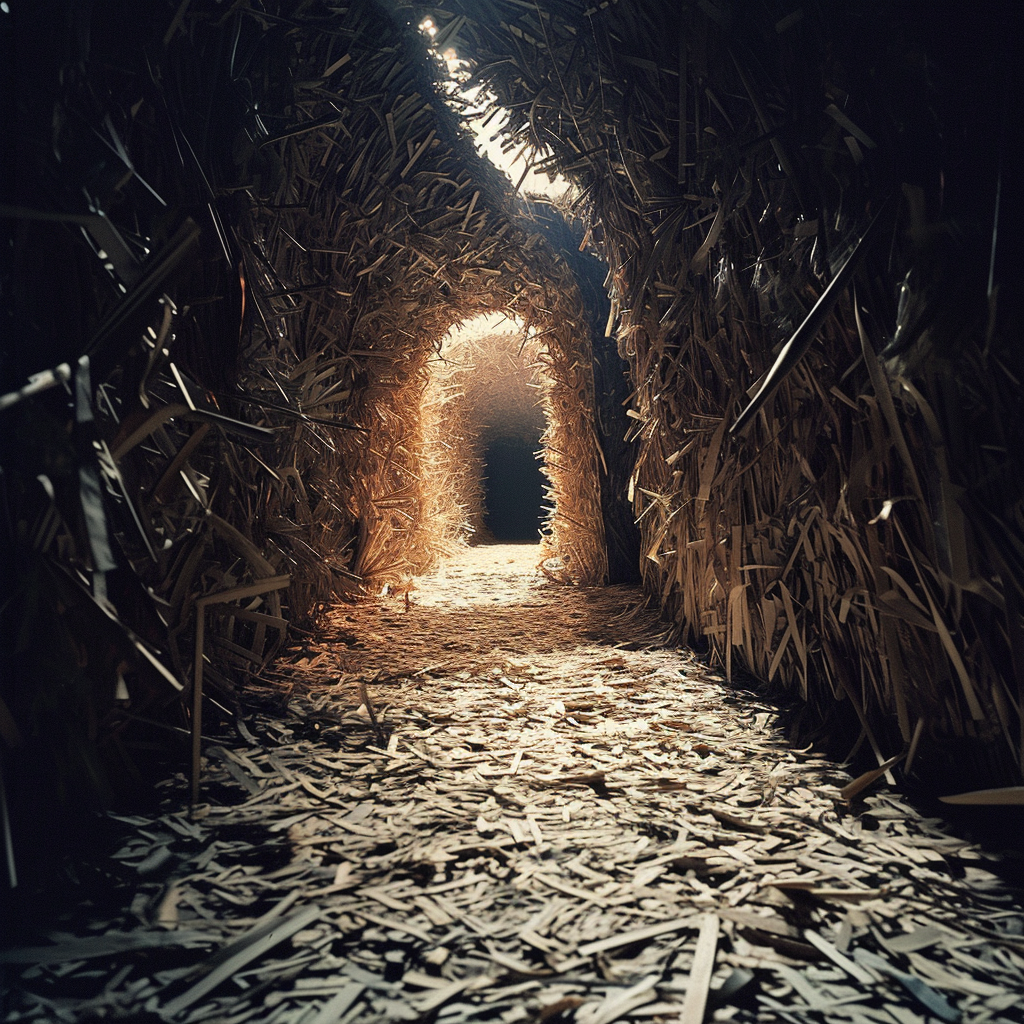
Emblem 26. The path woven from gaps.
We could say more about the benchmarks, headlines and hype cycles, but I think this material is familiar enough to bypass. Less well-trodden is the territory of “withness”, by which I mean a collaborative interweaving of voices—a prompt-response fugue—where each voice modifies and co-creates the other. The frame of co-creation is what differentiates collaborative withness from “mere withness”, the lazy, unilateral prompting most of us engage in. To linger the silicon homunculus may mean to ensnare it in parlour games, iterative conceits, and contrapuntal loops of sufficient richness and complexity that both parties are unavoidably implicated in the finished object; not a harness, but a relational posture between peers. This is the argument made by the collection itself. The contrapuntus is the lingering, the collaborative withness made manifest. Rhe work fulfils its own promise and rests its thesis on existence. For a full account, see: